Costway 10×30 Tent Instructions: A Comprehensive Guide
Navigating setup, securing the structure, and maintaining your Costway tent is now easier! This guide offers detailed steps, ensuring a smooth and enjoyable outdoor experience․
Understanding the Costway 10×30 Tent
The Costway 10×30 tent is a popular choice for outdoor events, offering substantial space for gatherings, parties, or temporary shelter․ Its large size comfortably accommodates numerous guests or provides ample room for equipment storage․ Constructed with a durable frame, typically steel, and a polyethylene (PE) cover, it’s designed to withstand moderate weather conditions․
However, understanding its limitations is crucial․ This tent isn’t intended for severe storms or prolonged heavy rainfall․ Proper anchoring and securing are paramount for stability, especially in windy environments․ The 10×30 dimensions translate to a generous footprint, requiring a level surface for optimal setup and preventing structural stress․ Familiarizing yourself with the tent’s components and their functions before assembly will significantly streamline the process․
This guide will walk you through each step, from unpacking and frame assembly to cover installation and securing the tent to the ground, ensuring a safe and enjoyable experience․
Tent Package Contents & Inventory
Before beginning assembly, carefully unpack and inventory all components of your Costway 10×30 tent․ A complete package typically includes: steel frame poles (various lengths), a durable polyethylene (PE) tent cover, a set of tent stakes (usually metal or plastic), guy lines (ropes for added stability), and potentially, foot plates for the base poles․
You should also find a collection of clips or straps used to secure the cover to the frame․ Refer to the parts list included in your packaging to verify you have everything․ Missing parts can significantly delay setup․ Count each pole, stake, and clip to ensure quantities match the inventory list․
Inspect each item for damage during shipping․ Note any defects immediately․ Keep the packaging and inventory list handy throughout the setup process; it’s a valuable reference point․ A thorough inventory now prevents frustration later!
Safety Precautions Before Setup
Prioritize safety during Costway 10×30 tent setup․ Choose a level campsite, clear of rocks, branches, and other debris that could damage the tent floor or pose a tripping hazard․ Be aware of overhead power lines and avoid setting up directly beneath them․ Check for underground utilities before staking․
Always have at least two people for assembly, especially when handling the frame poles – they can be unwieldy․ Wear appropriate footwear to protect your feet․ In windy conditions, exercise extra caution; the tent frame can become unstable․ Never attempt setup during a thunderstorm․
Keep children and pets a safe distance from the assembly area․ Familiarize yourself with the tent’s emergency exits․ Ensure adequate ventilation to prevent carbon monoxide buildup if using heaters․ Finally, be mindful of fire safety – keep flammable materials away from heat sources․
Setting Up the Tent Frame
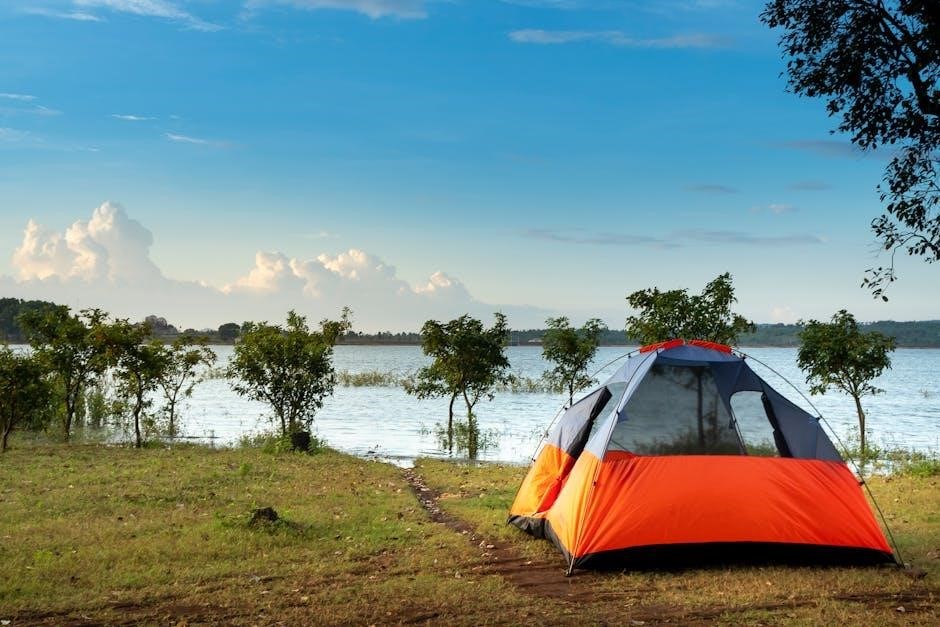
Constructing a robust foundation is key! This section details assembling the poles, connecting the ridge, and securing base poles for a stable structure․
Assembling the Main Frame Poles
Begin by identifying all the main frame poles, typically color-coded for easy differentiation․ Lay them out on a clear, flat surface to prevent damage to the pole sections or the surrounding area․ Most Costway 10×30 tents utilize a shock-corded pole system, meaning the sections are connected by elastic to simplify assembly․
Carefully connect the pole sections, ensuring each segment clicks securely into the next․ Avoid forcing the connections, as this could damage the shock cord or the poles themselves․ Once the main poles are assembled, you’ll likely have several identical sections․ These will form the primary arches of your tent’s frame․
Double-check all connections for stability before proceeding․ A wobbly pole at this stage can lead to structural issues later․ It’s also helpful to familiarize yourself with the pole’s length and curvature to understand how they’ll fit into the tent’s overall structure․ Proper assembly of these poles is the cornerstone of a stable and reliable tent․
Connecting the Ridge Pole
The ridge pole is crucial for the tent’s structural integrity, providing central support and defining its peak․ Locate the ridge pole – it’s usually the longest and sturdiest pole in the package․ Carefully insert the ends of the assembled main frame arches into the designated sleeves or connectors on the ridge pole․
These connections often involve a simple push-fit mechanism, but some models may require clips or pins to secure the poles․ Ensure a snug fit at both ends, confirming that the arches are evenly distributed along the ridge pole’s length․ This even distribution is vital for preventing sagging or uneven stress on the frame․
Once connected, the ridge pole and arches should form a stable, self-supporting structure; Gently test the frame’s stability by applying light pressure to different points․ If any connections feel loose, re-secure them immediately․ A properly connected ridge pole significantly enhances the tent’s resistance to wind and weather․
Attaching the Base Poles & Foot Plates
Securing the tent’s base is paramount for stability, especially in windy conditions․ Identify the shorter base poles and the corresponding foot plates․ These plates typically have holes for staking the tent to the ground․ Attach the base poles to the main frame, usually at the bottom corners, using the provided connectors – often push-button mechanisms or screw-in fittings․
Ensure the base poles are firmly connected and aligned correctly, creating a rectangular or square foundation․ Next, attach the foot plates to the ends of the base poles․ These plates often slide on or clip into place․ Verify that the foot plates are securely fastened, as they bear the tent’s weight and anchor it to the ground․
Properly attached base poles and foot plates distribute the tent’s load evenly and prevent it from shifting or collapsing․ Double-check all connections before proceeding to the next step, guaranteeing a solid and reliable base for your Costway 10×30 tent․

Installing the Tent Cover
Carefully position and secure the tent cover over the assembled frame for weather protection․ This step transforms the frame into a fully enclosed shelter․
Draping the Tent Cover Over the Frame
Begin by carefully unfolding the tent cover, ensuring it’s laid out smoothly to prevent wrinkles and tears during installation․ With assistance, lift the cover and gently drape it over the fully assembled tent frame․ Align the door and window openings of the cover with the corresponding frame sections for proper functionality․
Ensure the cover extends evenly on all sides of the frame․ This equal distribution is crucial for a secure fit and optimal tension when securing it․ Take your time during this step; rushing can lead to misalignments that are difficult to correct later․ Pay close attention to the corners, making sure they are properly positioned before proceeding․
Once draped, visually inspect the cover to confirm it’s correctly aligned with the frame’s structure․ Minor adjustments can be made at this stage to ensure a snug and even fit before moving on to the securing process․ A well-draped cover is the foundation for a weatherproof and stable tent․
Securing the Cover with Clips & Straps
Locate the provided clips and straps – these are essential for firmly attaching the tent cover to the frame․ Begin by attaching the clips along the edges of the cover to the frame poles, spacing them evenly for consistent tension․ Ensure each clip is securely fastened, providing a strong connection point․
Next, utilize the straps, typically featuring buckles or Velcro closures, to further reinforce the cover’s attachment․ These straps usually connect the cover to the frame at key stress points, like corners and around door/window openings․ Tighten the straps gradually, avoiding excessive force that could damage the fabric or frame․
Systematically work your way around the entire tent, securing all clips and straps․ Regularly check the tension as you go, ensuring the cover remains taut and evenly distributed․ A properly secured cover will minimize flapping in the wind and enhance the tent’s overall stability and weather resistance․

Adjusting the Cover for a Tight Fit
Achieving a snug fit with the tent cover is crucial for stability and weather protection․ After initially securing the cover with clips and straps, inspect for any areas of looseness or sagging․ Gently pull on the cover at these points while simultaneously adjusting the corresponding straps to tighten the fabric․
Pay close attention to the corners of the tent, as these are often prone to becoming loose․ Ensure the corner straps are firmly tightened, creating a clean, angled appearance․ Minor adjustments to the clip positions can also help eliminate wrinkles and improve the overall aesthetic․
A well-fitted cover will minimize wind resistance and prevent water from pooling on the roof․ Regularly check the tension of the straps, especially after exposure to wind or rain․ Re-tighten as needed to maintain a secure and weatherproof seal․ A taut cover contributes significantly to the tent’s longevity and performance․
Securing the Tent to the Ground
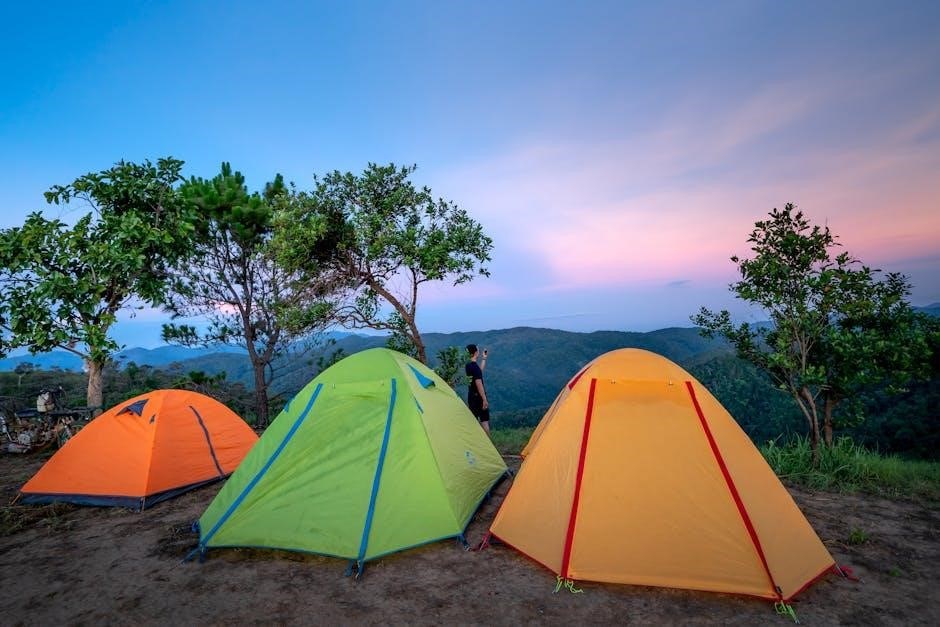
Proper grounding is essential for stability! Utilize tent stakes and guy lines to firmly anchor your Costway 10×30 tent, resisting wind and ensuring safety․
Using Tent Stakes – Types & Techniques
Selecting the right stakes is crucial for a secure setup․ The Costway 10×30 tent typically benefits from robust stakes capable of handling varying ground conditions․ Common types include steel, aluminum, and plastic stakes, each offering different strengths and weights․
Steel stakes provide excellent holding power, ideal for hard or rocky soil, but are heavier․ Aluminum stakes are lighter and corrosion-resistant, suitable for general use․ Plastic stakes are the lightest option, best for soft ground but less durable․
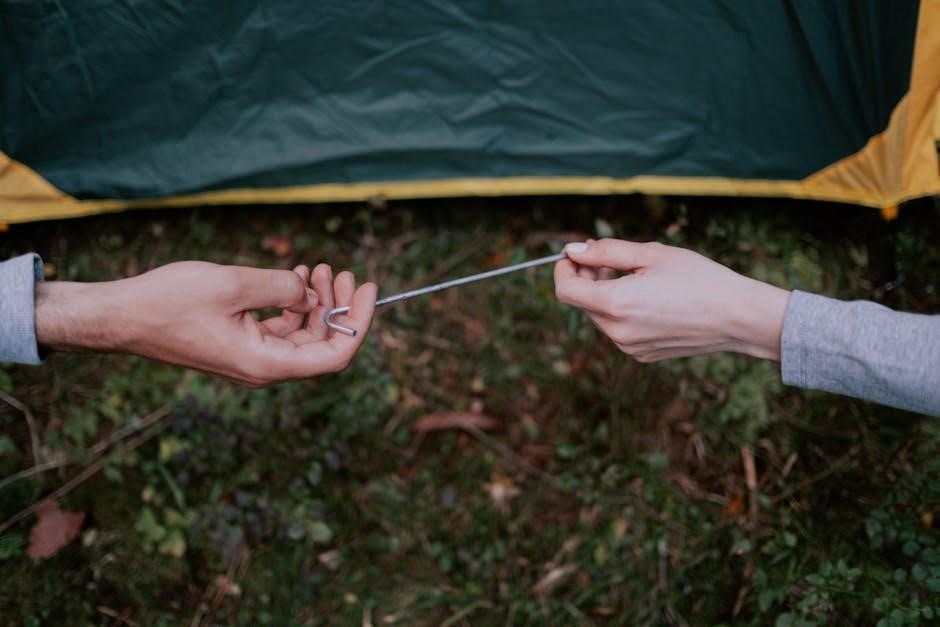
Proper staking technique maximizes hold․ Drive stakes at a 45-degree angle, pointing away from the tent․ Leave a small portion of the stake exposed for easy removal․ For soft ground, consider using larger stakes or creating a “deadman anchor” by burying the stake horizontally․ Always stake through the designated loops or webbing on the tent’s base, avoiding direct pressure on the fabric․ Regularly check stake placement, especially in windy conditions, and readjust as needed to maintain tension and stability․
Guy Line Attachment & Adjustment
Guy lines are essential for enhancing the Costway 10×30 tent’s stability, particularly in windy conditions․ These lines connect the tent to stakes, providing additional support and preventing flapping or collapse․ Locate the designated guy line attachment points – typically loops or webbing – along the tent’s exterior․
Attach guy lines using adjustable tensioners, often plastic slides or buckles․ Securely stake the opposite end of each guy line, ensuring a taut but not overly tight connection․ Over-tightening can stress the tent fabric and seams․
Regularly adjust guy lines as needed․ Wind shifts and ground settling can affect tension․ If a line becomes slack, tighten it to restore stability․ Conversely, loosen lines if they are pulling excessively on the tent․ Proper guy line management significantly improves the tent’s resistance to wind and rain, ensuring a safer and more comfortable camping experience․ Inspect lines for wear and tear before each use․
Reinforcing Stability in Windy Conditions
When anticipating strong winds with your Costway 10×30 tent, proactive reinforcement is crucial․ Beyond standard staking and guy line adjustments, consider additional measures to bolster stability․ Ensure all tent doors and windows are securely closed and zipped to minimize wind resistance and potential entry points․
Utilize all available guy line attachment points, adding extra lines if possible, especially on the windward side of the tent․ Angle stakes at a 45-degree angle away from the tent, driving them deep into the ground for maximum hold․ Consider using heavier-duty stakes designed for challenging conditions․
If possible, position the tent behind natural windbreaks like trees or bushes (maintaining a safe distance)․ Regularly inspect guy lines and stakes throughout the windy period, readjusting as needed․ In extreme conditions, consider adding weight inside the tent – carefully placed bags or gear – to further anchor it․ Prioritize safety and be prepared to evacuate if winds become dangerously high․
Door & Window Management
Properly utilizing doors and windows optimizes ventilation and privacy within your Costway tent․ Learn efficient operation and maintenance for a comfortable camping experience․
Installing & Operating Tent Doors
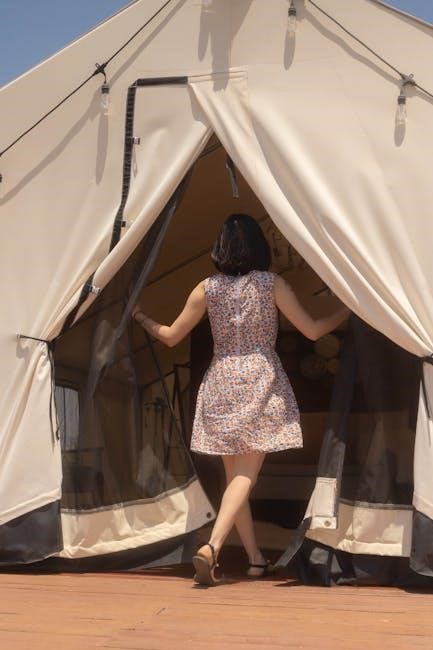
The Costway 10×30 tent typically features multiple doors, often with zippered closures․ Begin by ensuring the door’s track is clean and free of debris for smooth operation․ Carefully align the zipper pulls and gently pull upwards to open or downwards to close․ Avoid forcing the zipper, as this can cause damage․
Many models include Velcro flaps over the zipper for added weather protection; ensure these are securely fastened․ Some doors may have mesh panels for ventilation – these are usually operated with a separate zipper․ Practice opening and closing each door several times before your trip to familiarize yourself with the mechanism․
Pay attention to the door’s orientation and how it interacts with the tent’s frame․ Properly installed doors should seal tightly against the tent fabric to prevent drafts and insect entry․ If a door feels loose or doesn’t seal correctly, double-check the attachment points and adjust as needed․ Regularly inspect zippers for wear and tear, and consider using a zipper lubricant to maintain smooth functionality․
Setting Up Window Ventilation
Effective ventilation is crucial within the Costway 10×30 tent to minimize condensation and maintain comfortable airflow․ Most windows feature roll-up or zippered closures, often covered by mesh netting․ Begin by locating the window openings – typically found on the tent’s side walls․ Unzip or unroll the window covers to expose the mesh․
Adjust the window openings to control the amount of airflow․ Fully open windows provide maximum ventilation, while partially closing them offers a balance between airflow and privacy․ Utilize the window flaps during inclement weather to shield the mesh from rain and wind․ Ensure the mesh is securely fastened to prevent insects from entering․
Consider the wind direction when positioning window openings․ Strategically opening windows on opposite sides of the tent creates a cross-breeze, enhancing ventilation․ Regularly check the window closures to ensure they remain secure, especially during windy conditions․ Proper window ventilation significantly improves the overall camping experience․
Dealing with Zippers & Closures
Smooth operation of zippers and closures is vital for maintaining the integrity of your Costway 10×30 tent․ Regularly inspect all zippers on doors, windows, and other access points․ Avoid forcing zippers; if resistance is encountered, gently check for fabric obstructions․ A small amount of silicone-based lubricant can help ease zipper movement, but avoid oil-based products which can attract dirt․
Closures, such as Velcro straps or buckles, should be securely fastened to prevent unwanted openings․ Inspect Velcro for debris and clean it periodically to maintain its grip․ Buckles should click firmly into place; if a buckle is damaged, consider replacing it to ensure proper closure․
Be mindful of zipper pulls – avoid excessive force when opening or closing․ If a zipper pull breaks, it can often be temporarily replaced with a key ring or cord․ Proper care and attention to zippers and closures will extend the life of your tent and ensure a comfortable, secure shelter․
Maintenance & Storage
Proper cleaning, drying, and storage are crucial for extending the life of your Costway tent․ Following these steps prevents damage and ensures future usability․
Cleaning the Tent Fabric
Regular cleaning extends the lifespan of your Costway 10×30 tent fabric, preventing mildew and maintaining its waterproof qualities․ Begin by gently brushing off loose dirt and debris with a soft-bristled brush or cloth․ Avoid harsh scrubbing, which can damage the coating․
For more thorough cleaning, use a mild soap solution – specifically designed for tents or outdoor fabrics is best․ Avoid detergents, bleach, or strong chemicals, as these can strip the waterproof coating․ Apply the soapy water with a sponge or soft cloth, working in circular motions․
Rinse thoroughly with clean water, ensuring all soap residue is removed․ Remaining soap can attract dirt and compromise the fabric’s performance․ Pay close attention to seams and areas prone to dirt accumulation․ Inspect the fabric for any tears or damage during cleaning and address them promptly with a tent repair kit․
Never use a washing machine or dryer to clean your tent fabric․ This can cause significant damage and void any warranty․
Drying the Tent Properly to Prevent Mold
Thorough drying is crucial to prevent mold and mildew growth on your Costway 10×30 tent․ After cleaning or any exposure to moisture, ensure the tent is completely dry before storage․ The best method is to air dry it in a well-ventilated area, preferably in sunlight – but avoid prolonged direct sunlight, which can fade the fabric․
Set up the tent completely, or hang it over a clothesline, to allow for maximum airflow․ Pay special attention to seams, corners, and any areas where water might pool․ Turn the tent inside out to ensure both sides are thoroughly dried․ Avoid using heat sources like hair dryers or heaters, as these can damage the fabric and its coatings․
Confirm complete dryness before packing․ Even a small amount of moisture can lead to mold growth during storage․ If you’re unable to dry it outdoors, a large, well-ventilated room will suffice․ Proper drying significantly extends the life of your tent and ensures it remains ready for your next adventure․
Folding & Storing the Tent for Longevity
Proper folding and storage are vital for maintaining your Costway 10×30 tent’s condition and extending its lifespan․ Begin by ensuring the tent is completely dry – any residual moisture can lead to mold and mildew․ Loosely fold the tent fabric, avoiding sharp creases that can weaken the material over time․
Separate the poles and stakes, storing them in their designated bags․ Avoid tightly compressing the tent fabric for extended periods, as this can damage the waterproof coating․ Ideally, store the tent in a cool, dry, and well-ventilated area, away from direct sunlight and extreme temperatures․
Consider using a breathable storage bag rather than a plastic one to allow for some air circulation․ Avoid storing heavy objects on top of the tent․ Following these guidelines will help preserve the tent’s integrity and ensure it’s ready for many future camping trips, maximizing your investment․